


What Should Homeowners Know Before Scheduling Exterior House Painting?
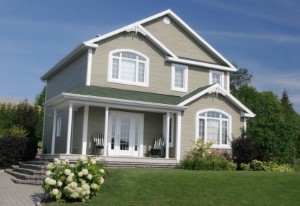
If you’re planning exterior house painting in Canton GA, a little planning goes a long way. The right timing, prep, and materials help your paint last longer and keep your home looking great. Below is a clear, local guide so you can book with confidence and know what to expect from truly professional exterior house painting.
Why Timing Matters in Canton GA
Canton’s weather brings humid summers, quick afternoon storms, and cool snaps in late fall and winter. Your painter will recommend a window with steady temps and lower rain chances so coatings can cure the way they should.
Spring and fall are popular because days are mild and nights aren’t too cold. Summer also works well when crews can start earlier to avoid pop-up storms. Aim to paint when surfaces will be dry and pollen is manageable. Try to schedule during a stable 48-hour dry window so each coat gets proper time to set.
- Ask about how your crew monitors rain, humidity, and overnight lows.
- Confirm a plan for rescheduling if thunderstorms roll through.
- If your home sits near the Etowah River or in shaded spots like parts of River Green, expect slower dry times.
What Professional Surface Preparation Includes
Great results start with clean, sound surfaces. Your painting team should wash away contaminants, address failing paint, spot-prime bare areas, seal gaps, and protect nearby features. In Canton neighborhoods like BridgeMill and Laurel Canyon, that often means attention to sun-baked south and west sides where coatings wear faster.
Expect your crew to handle:
- Thorough cleaning to remove dirt, mildew, and chalking, often supported by professional pressure washing
- Scraping, sanding, and spot-priming areas where paint failed
- Sealing joints and trim for weather protection and a neat finish
- Masking, coverings, and site protection to keep your property tidy
Avoid painting over damp or dirty surfaces. Proper prep is the most important step for long-term durability.
Materials and Surfaces Around Canton Homes
Canton homes feature a mix of fiber cement, wood, brick, and metal accents. Each surface needs the right coating and prep approach so color holds and moisture stays out.
Fiber cement and engineered siding benefit from high-quality acrylic coatings that handle humidity. Wood trim needs careful sealing at end-grain and joints. Brick can be refreshed with masonry-friendly coatings when appropriate. Metal railings and accents need rust-resistant prep and primers. If your painter finds soft trim or fascia, ask about surface repairs before paint begins so the finish has a solid base.
Color Selection and Neighborhood Fit in Canton GA
Light, warm neutrals remain popular in Canton because they look fresh in bright sun and pair well with natural stone and brick. Soft whites, taupes, tans, and subtle greiges keep curb appeal high without absorbing too much heat. If your home gets heavy sun, ask your painter how sheen and pigment can help resist fading on the south and west elevations.
Think about your street, roof color, and landscaping. Homes in established areas like downtown Canton or along Marietta Road often look best with classic, coordinated trim and door accents. If you belong to an HOA, confirm any color guidelines before the project begins. Your painter can provide samples so you can view colors in morning, midday, and evening light.
What To Expect On Project Days
Professional crews arrive with a plan that keeps work moving and your property protected. They’ll verify colors, walk the site, protect plants and hardscapes, and stage materials safely. Expect clear daily communication so you always know what’s happening next.
Parking and access help the day go smoothly. Let your crew know about gates, pets, or tight driveways. They’ll coordinate lift placement if needed and keep walkways safe. Clear, daily communication avoids surprises and helps keep your project on schedule.
Quality Standards That Protect Your Home
A long-lasting finish comes from proper film build, even coverage, and tight details. Your painter should use compatible primers and topcoats, follow dry-time ranges, and monitor dew point and humidity. Trim, sills, and horizontal ledges deserve extra care because water lingers there. Sealed joints and crisp caulk lines help keep water out and reduce chances of peeling.
If you have wood rot or soft spots, address those areas before painting. Professional repair protects the new finish and prevents issues from reappearing. Ask about repair options and warranties on both materials and labor so you know exactly what’s covered.
A Note On Cleaning And Maintenance After Painting
After your project, your painter will explain simple care to help the finish last. That usually includes gentle cleaning methods, inspection points around sills and trim, and when to schedule touch-ups. Plan a quick checkup after severe weather or at the end of each season. This habit keeps small issues from becoming bigger ones and helps protect your home’s exterior.
For a deeper dive into why clean surfaces matter, you can read our related post on why pressure washing before painting the exterior is so important. It explains how cleanliness improves adhesion and helps prevent blistering or peeling in our humid climate.
Questions To Ask Before You Book
Use these simple questions to confirm you’re hiring residential exterior painters who put quality first:
- What schedule do you recommend for my siding and exposure in Canton GA?
- How do you handle weather delays and confirm a dry window?
- What prep steps are included, and how do you protect landscaping and hardscapes?
- Which products and primers fit my materials, and what sheen do you recommend for trim and doors?
- If you find damaged wood, what are my options before painting begins?
- What workmanship and product warranties are included?
If you want a quick overview of services and neighborhoods we serve, you can explore exterior house painting in Canton GA right on our home page.
How Local Climate Guides Your Schedule
In Canton, late spring and early fall often offer the most reliable painting windows. Crews can still work in summer, but they’ll plan around afternoon showers and higher humidity. In winter, cold spells and longer nights can slow curing, so teams choose warmer stretches and sunlight-friendly hours. Your project manager will match the schedule to your home’s orientation, shade, and elevation.
Homes near open fields or hilltops may see stronger winds, which can affect spraying and overspray control. Shaded valleys and tree-lined streets often dry more slowly after rain. Your crew will watch these micro-conditions and adjust the plan to keep quality high.


